Obesity is the widespread accretion of excessive fat in the body. Overweight refers to being ten percent above the expected body weight, given the height and build. Obese refers to being twenty percent over the desired target. The unmistakable fact is that Americans are getting fatter. According to statistics from the National Institutes of Health, over sixty-five percent of American adults are considered overweight or obese. That means close to a hundred million adults in the United States are ineffective at managing their weight. The most widely accepted statistical estimate used by healthcare professionals to screen for obesity is the Body Mass Index (BMI), computed by dividing the weight in kilograms by the height in meters squared; the equation therefore is kg/m2.
Alternatively, to calculate your BMI, simply multiply your weight in pounds by 704.5, divide the result by your height in inches; then again divide that result by your height in inches a second time. The Belgian statistician, Adolphe Quetelet, created the BMI in the 19th century. The medical definition of being overweight is having a body mass index (BMI) between 25 and 29.9. If your BMI is between 18.5 and 24.9, you are within the normal or ideal weight range. But if your BMI is higher than 29.9 you are considered to be obese. Obesity carries enormous health risks and economic costs. It is recognized as a major catalyst for developing cardiovascular disease, diabetes, hypertension, and other debilitating conditions.
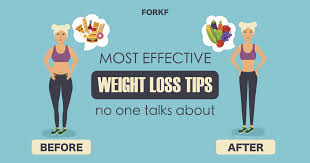
People who are obese or overweight are more likely to develop heart disease, strokes, hypertension, diabetes, and certain cancers, which are the leading causes of death. Estimates of the number of deaths attributable to obesity in the United States alone reach up to 350,000 per year. According to National Institutes of Health, adults aged over 18, having a BMI greater than 25, are at risk of premature death and disabilities, as a result of being overweight or obese. Usually interventions such as permanent weight loss and medications are prescribed to diminish the risk of developing diseases. Permanent, effective weight loss is the process of intentionally making and accomplishing a plan to reduce total body weight. This typically involves the lessening of total body fat. Ideally, you should go on a strict diet, by consuming nutritionally balanced low-calorie foods and increasing physical activity.
A good way to lose weight is to switch up your workout routine once in a while. Workout routines can become very stale if you do them for too long and your body can actually become used to the exercise, rendering it less effective. By switching things up, you'll stay interested.
Remember, effective weight loss is a premeditated, calculated attempt to lose body weight. Even though there are several permanent weight loss programs, the only proven - long-standing and harmless technique is to burn more calories than are ingested. Permanent and effectual weight loss can be achieved either by decreasing the caloric intake by eating less or healthier food and by increasing the energy outflow by doing more physical exercises like aerobics, brisk walking, swimming and bicycling. One pound of fat contains around 3500 calories, so to lose one pound a week; a person should consume approximately 3500 lesser calories per week. This can be easily achieved by reducing the daily intake by 500 calories per day, thereby providing the deficit of 3500 calories in a week. Thus, by regularly following this weight loss method, you can lose one pound a week!
The easiest way to start your weight loss journey is by simply walking. Exercise is key to losing weight and squeezing in a walk every day, no matter how short it may be, is a great place to begin. You can burn more than 100 calories by walking just one mile. Combining daily walks with a healthy eating regimen should provide quick and effective weight loss results.
To help you lose weight you should increase your level of physical activity every day. It does not have to be a large increase since doing any more than you currently do will be burning extra calories as well as building up muscle. Muscle is more effective at burning calories so even a minimum weight loss is a good start.
"Beauty lies in Simplicity". To end with, the key to weight management and enduring weight loss is to simply increase your daily activity. Small things like taking the stairs (instead of elevators) or brisk walking (rather than driving) make the real difference in successful weight loss. A slow, but persistent weight loss of one or two pounds a week; will eventually attain the ideal body weight.
Showing posts with label obesity. Show all posts
Wednesday, June 5, 2019
Sunday, June 2, 2019
Alcohol And Weight Loss
When trying to lose weight, it is highly recommended that you refrain from drinking alcohol. This reasoning is based both in the fact that alcohol has a high concentration of unhealthy sugars and empty calories as well as the knowledge that alcohol generally drives you compromise your habits, which might make you eat the wrong foods if they are available.
However, if you do wish to have a night cap, it is recommended that you drink alcohol in moderation and opt for a low-sugar red wine as opposed to a carbohydrate-dense beer.
Watch what you drink! While a glass of sparkling water with a twist of lime has few calories, just 8 ounces of a fruit juice and alcohol based drink such as a Mai Tai can weigh in at more than 600 calories! The other problem when drinking alcohol is that your judgment may be affected, making it easier to forget all your good intentions and over-indulge.
Alcohol is generally consumed in social situations, such as at a meal or party. Generally, when drinking one glass, an additional glass or two are offered. Because you are in a social situation, it can be difficult to refrain from over-indulging, at least as far as the parameters of your diet are concerned.
A great way that may help you lose weight is to reduce the amount of alcohol you drink. Alcohol contains more calories than protein or carbohydrates and it's very easy to drink too much. By limiting the amount of alcohol you drink, you'll be more able to achieve your goals.
If you do have a weight loss partner and are in a situation involving alcohol together, you two can share the responsibility of helping each other avoid unwanted glasses. Each additional alcoholic beverage boosts the number of calories you consume per day as well as the amount of sugar running through your blood stream.
Keep your alcohol intake to a minimum, especially in the first few weeks of a diet and exercise program, for maximum results. Alcohol inhibits and lowers your metabolism, as well as being high in calorie content. These calories have no nutritional value and are known as empty calories.
Many people feel uncomfortable rejecting a drink in a social situation. They do not want to be party poopers by reminding friends of their diet or they do not want to seem to stiff in front of others. If you find yourself in a situation where it is tough to avoid consuming a beverage, then consider ordering a diet coke on ice. A diet coke has no calories or fat grams, but will come in a nice glass that will appear to be an alcoholic beverage.
When trying to lose weight it is important to avoid or cut down on alcohol. Drinking beer and other alcoholic beverages adds empty calories that add to weight gain and make it harder to lose weight. It is better to take in calories with nutrients than drink alcohol with useless calories when trying to lose weight.
If you must consume wine, then opt for a deep red wine. Red wines are wines that are generally lower in sugar than a white wine or a beer. Red wines are made keeping the skin of the grapes on, which also makes the wine more rich in minerals than the white wine counterpart, which is made from only the core of the grape.
To continue to make your weight loss plan a reality, closely monitor the amount of alcohol that you consume. Alcoholic beverages like apple martinis are extremely high in calories. Save these drinks for special occasions, and if you feel you have to indulge, consider picking up a glass of wine or a can of light beer.
Also keep in minds that beverages such as beer have yeast, fat and sugar. There is a reason that frequent beer drinkers develop a beer belly – they consume vast amounts of beer but do not work it off right away.
Alcohol can sabotage a diet and your metabolism. It generally is very calorie-dense and a depressant that impairs your mind and bodily functions. If you choose to consume alcohol, look for better alternatives such as lower calorie variations or drinks diluted with seltzer or water. Also never drink these on an empty stomach or it may cause you to become impaired quicker and overeat.
Like fruit, it is also a good idea to consume wine when you are also eating a meal. The meal will help to regulate the spike in your blood sugar level so that your body is not shocked by the addition of new alcohol calories or sugars.
When dieting, make sure to allow yourself a small indulgence every once in awhile. Skipping every piece of chocolate or sip of alcohol will only make you crave those items more and cause a binge. Instead, treat yourself to small bites or sips on a daily basis. You'll be satisfied without over indulging.
Keep in mind that while alcohol consumption might not be avoidable for you, the munchies and desire to consume high-fat and high-grease foods needs to be controlled. If you do find yourself in a situation where you have consumed too much wine, it is important for you to avoid tacking on additional calories from food. Moderation and education are the two keys to effective weight loss when it comes to wine consumption and the hunger that follows.
However, if you do wish to have a night cap, it is recommended that you drink alcohol in moderation and opt for a low-sugar red wine as opposed to a carbohydrate-dense beer.
Watch what you drink! While a glass of sparkling water with a twist of lime has few calories, just 8 ounces of a fruit juice and alcohol based drink such as a Mai Tai can weigh in at more than 600 calories! The other problem when drinking alcohol is that your judgment may be affected, making it easier to forget all your good intentions and over-indulge.
Alcohol is generally consumed in social situations, such as at a meal or party. Generally, when drinking one glass, an additional glass or two are offered. Because you are in a social situation, it can be difficult to refrain from over-indulging, at least as far as the parameters of your diet are concerned.
A great way that may help you lose weight is to reduce the amount of alcohol you drink. Alcohol contains more calories than protein or carbohydrates and it's very easy to drink too much. By limiting the amount of alcohol you drink, you'll be more able to achieve your goals.
If you do have a weight loss partner and are in a situation involving alcohol together, you two can share the responsibility of helping each other avoid unwanted glasses. Each additional alcoholic beverage boosts the number of calories you consume per day as well as the amount of sugar running through your blood stream.
Keep your alcohol intake to a minimum, especially in the first few weeks of a diet and exercise program, for maximum results. Alcohol inhibits and lowers your metabolism, as well as being high in calorie content. These calories have no nutritional value and are known as empty calories.
Many people feel uncomfortable rejecting a drink in a social situation. They do not want to be party poopers by reminding friends of their diet or they do not want to seem to stiff in front of others. If you find yourself in a situation where it is tough to avoid consuming a beverage, then consider ordering a diet coke on ice. A diet coke has no calories or fat grams, but will come in a nice glass that will appear to be an alcoholic beverage.
When trying to lose weight it is important to avoid or cut down on alcohol. Drinking beer and other alcoholic beverages adds empty calories that add to weight gain and make it harder to lose weight. It is better to take in calories with nutrients than drink alcohol with useless calories when trying to lose weight.
If you must consume wine, then opt for a deep red wine. Red wines are wines that are generally lower in sugar than a white wine or a beer. Red wines are made keeping the skin of the grapes on, which also makes the wine more rich in minerals than the white wine counterpart, which is made from only the core of the grape.
To continue to make your weight loss plan a reality, closely monitor the amount of alcohol that you consume. Alcoholic beverages like apple martinis are extremely high in calories. Save these drinks for special occasions, and if you feel you have to indulge, consider picking up a glass of wine or a can of light beer.
Also keep in minds that beverages such as beer have yeast, fat and sugar. There is a reason that frequent beer drinkers develop a beer belly – they consume vast amounts of beer but do not work it off right away.
Alcohol can sabotage a diet and your metabolism. It generally is very calorie-dense and a depressant that impairs your mind and bodily functions. If you choose to consume alcohol, look for better alternatives such as lower calorie variations or drinks diluted with seltzer or water. Also never drink these on an empty stomach or it may cause you to become impaired quicker and overeat.
Like fruit, it is also a good idea to consume wine when you are also eating a meal. The meal will help to regulate the spike in your blood sugar level so that your body is not shocked by the addition of new alcohol calories or sugars.
When dieting, make sure to allow yourself a small indulgence every once in awhile. Skipping every piece of chocolate or sip of alcohol will only make you crave those items more and cause a binge. Instead, treat yourself to small bites or sips on a daily basis. You'll be satisfied without over indulging.
Keep in mind that while alcohol consumption might not be avoidable for you, the munchies and desire to consume high-fat and high-grease foods needs to be controlled. If you do find yourself in a situation where you have consumed too much wine, it is important for you to avoid tacking on additional calories from food. Moderation and education are the two keys to effective weight loss when it comes to wine consumption and the hunger that follows.
Sunday, May 26, 2019
5 Simple Ways To Lose Weight
Losing unwanted body weight does not have to involve prolonged workout sessions at the gym or self-defeating fad diet regimens. In fact, most people find that without a sustained lifestyle change, any weight that is lost during a period of diet or extreme exercise is gained back once the activity is no longer practiced.
If you would like to lose pounds and keep them off, then you need to invest in a lifestyle adjustment. By altering only a few important patterns in your diet and exercise routine, you can literally lose weight without much effort. Here are some tips to help you quickly drop those extra pounds:
1. Walk for 30 minutes each day. Walking is not only a stress-reducer, but it is also more effective in inducing fat loss than a 30-minute jog. Here’s why: running helps you burn calories and quickly tone leg muscles because of the repeated flexing and force exerted on the leg muscles. However, because running increases the heart rate to aerobic levels, the heart rate also drops quickly once the activity has been stopped.
If the primary goal of your exercise regimen is to lose fat, it's important that you focus on cardio. Cardiovascular exercises boost your heart rate, and burn calories effectively. Cardiovascular exercises vary but the general idea is that they increase your heart rate so find an exercise that works for you.
Walking, however, increases the heart rate to the fat-burning level. Any activity performed at the fat-burning level will have a longer-lasting impact. Thus, while you might flex and strain your muscles less during a 30-minute period of walking, the heart rate will stay elevated for a longer period of time.
2. Cut the portion in half. Whether you are eating a cheeseburger or plate of fries, divide the dish in half. If you are tempted to nibble on more than half, then give it away to a friend or have it wrapped up to take home (if you are dining out). Cutting your meal in half will not only decrease your calorie and fat in take dramatically, but it will help your body to become accustomed to smaller portions of food.
Try to have a salad prior to dinner meals. A salad is great for making you feel full due to the high fiber content, and it does not contain many calories that would have to be burned off. Avoid extra salad dressing or adding cheese, as this only adds calories and fat.
3. Get a full night’s rest. Many people find, and most doctors know, that getting a full night of undisturbed sleep not only leaves you feeling energized for a new day, but it helps your body metabolize your food much more efficiently. When they body is in the resting state during sleep, it actually works much harder to process energy than if you were to sit on the sofa watching the television. Furthermore, if you are fully rested, you will be more likely to take on projects with more vigor and energy the next day (which will help you burn more calories.) So go on – get those zzzz’s.
4. Call your mother. And take care of other items on your to-do list before they pile up. Undue stress has a very negative physiological effect on the body and contributes to fat storage in the cells. By reducing small amounts of stress in your life, you can quickly and simply reduce fatty deposits on your body, especially in the stomach area. So go ahead: call your loved ones!
To help with losing weight, you should keep track of you daily calorie consumption. Those who consume too much cannot lose weight. If you eat too much, you cannot lose weight. You can write down what you eat to assure you're eating the amount of calories needed to lose weight.
5. Drink plenty of liquid. Liquid hydrates your cells and helps them push harmful toxins through your body more efficiently. By drinking plenty of liquid, such as water, juice and even tea, you will help your cells function at their best without much effort at all.
If you drink tea and coffee, be aware that they contain caffeine, which can increase your metabolism while it is in your system, but tends to slow your body down once it leaves. Caffeinated beverages should always be consumed with an extra glass of water to ensure that you do not end up depleting your body of necessary liquids.
Take a break in the midst of eating. It can be difficult for some people to tell when they've eaten enough food. Pay attention to the signals your body sends you and stop eating as soon as you feel full. Stop for a minute and think about how hungry you actually are. Use this information to decide whether you need to eat more and how much you want to eat.
To ensure that your lifestyle alterations become lasting, practice them with friends and loved ones. Adjusting to any changes can be easier if you have a friend with whom you can share the journey and help to keep each other on track.
If you would like to lose pounds and keep them off, then you need to invest in a lifestyle adjustment. By altering only a few important patterns in your diet and exercise routine, you can literally lose weight without much effort. Here are some tips to help you quickly drop those extra pounds:
1. Walk for 30 minutes each day. Walking is not only a stress-reducer, but it is also more effective in inducing fat loss than a 30-minute jog. Here’s why: running helps you burn calories and quickly tone leg muscles because of the repeated flexing and force exerted on the leg muscles. However, because running increases the heart rate to aerobic levels, the heart rate also drops quickly once the activity has been stopped.
If the primary goal of your exercise regimen is to lose fat, it's important that you focus on cardio. Cardiovascular exercises boost your heart rate, and burn calories effectively. Cardiovascular exercises vary but the general idea is that they increase your heart rate so find an exercise that works for you.
Walking, however, increases the heart rate to the fat-burning level. Any activity performed at the fat-burning level will have a longer-lasting impact. Thus, while you might flex and strain your muscles less during a 30-minute period of walking, the heart rate will stay elevated for a longer period of time.
2. Cut the portion in half. Whether you are eating a cheeseburger or plate of fries, divide the dish in half. If you are tempted to nibble on more than half, then give it away to a friend or have it wrapped up to take home (if you are dining out). Cutting your meal in half will not only decrease your calorie and fat in take dramatically, but it will help your body to become accustomed to smaller portions of food.
Try to have a salad prior to dinner meals. A salad is great for making you feel full due to the high fiber content, and it does not contain many calories that would have to be burned off. Avoid extra salad dressing or adding cheese, as this only adds calories and fat.
3. Get a full night’s rest. Many people find, and most doctors know, that getting a full night of undisturbed sleep not only leaves you feeling energized for a new day, but it helps your body metabolize your food much more efficiently. When they body is in the resting state during sleep, it actually works much harder to process energy than if you were to sit on the sofa watching the television. Furthermore, if you are fully rested, you will be more likely to take on projects with more vigor and energy the next day (which will help you burn more calories.) So go on – get those zzzz’s.
4. Call your mother. And take care of other items on your to-do list before they pile up. Undue stress has a very negative physiological effect on the body and contributes to fat storage in the cells. By reducing small amounts of stress in your life, you can quickly and simply reduce fatty deposits on your body, especially in the stomach area. So go ahead: call your loved ones!
To help with losing weight, you should keep track of you daily calorie consumption. Those who consume too much cannot lose weight. If you eat too much, you cannot lose weight. You can write down what you eat to assure you're eating the amount of calories needed to lose weight.
5. Drink plenty of liquid. Liquid hydrates your cells and helps them push harmful toxins through your body more efficiently. By drinking plenty of liquid, such as water, juice and even tea, you will help your cells function at their best without much effort at all.
If you drink tea and coffee, be aware that they contain caffeine, which can increase your metabolism while it is in your system, but tends to slow your body down once it leaves. Caffeinated beverages should always be consumed with an extra glass of water to ensure that you do not end up depleting your body of necessary liquids.
Take a break in the midst of eating. It can be difficult for some people to tell when they've eaten enough food. Pay attention to the signals your body sends you and stop eating as soon as you feel full. Stop for a minute and think about how hungry you actually are. Use this information to decide whether you need to eat more and how much you want to eat.
To ensure that your lifestyle alterations become lasting, practice them with friends and loved ones. Adjusting to any changes can be easier if you have a friend with whom you can share the journey and help to keep each other on track.
Subscribe to:
Posts (Atom)
What is H.I.I.T., the One Minute Weight Loss Routine?
You may have heard about High Intensity Interval Training (H.I.I.T.) on the news or in social media. There are commercials also promoting de...
-
Anyone who’s been on a low carb diet will tell you that the first week is the hardest. Some report actual physical symptoms of carb withdraw...